
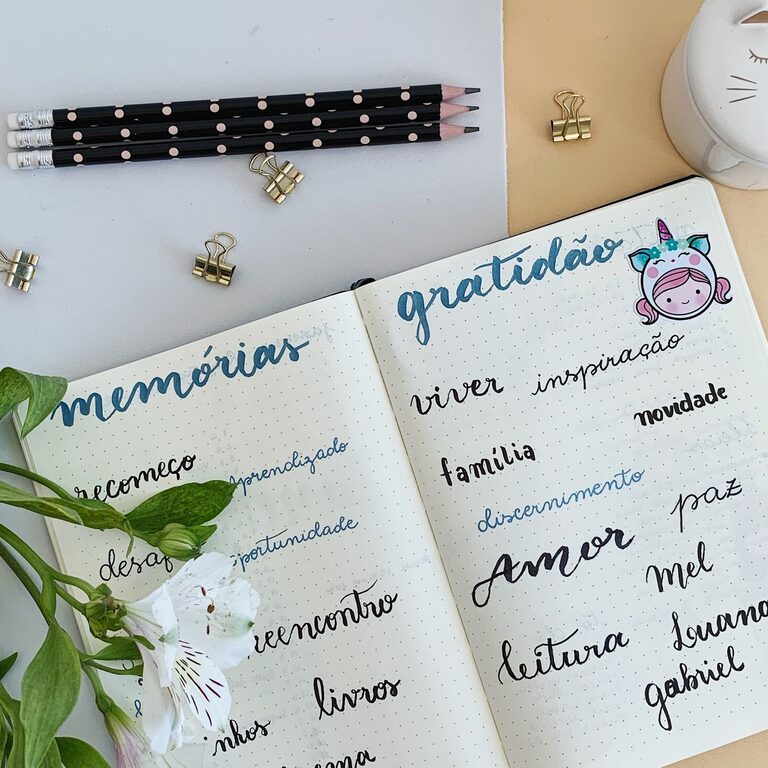
Journaling is a simple yet powerful tool for self-expression, reflection, and personal growth. Starting a daily journaling practice can help you organize your thoughts, reduce stress, and gain clarity, even if you’ve never written before. This beginner guide will walk you through easy steps to make journaling a daily habit that fits your life.
Why Journal Every Day?
Many people wonder if journaling really makes a difference when done daily. The answer is yes! Daily journaling offers several benefits:
– Mental clarity: Putting your thoughts on paper can help you understand your feelings and identify what matters most.
– Stress relief: Writing about your worries acts as a healthy outlet that eases anxiety.
– Creativity boost: Regular writing sparks new ideas and enhances problem-solving.
– Personal growth: Tracking your journey helps you notice progress and set goals.
With these benefits in mind, let’s explore how to get started.
Choosing the Right Journaling Method
There’s no one-size-fits-all journaling style. Your method should fit your preferences and schedule. Here are some popular approaches:
Traditional Notebook
Using a physical notebook and pen is tactile and personal. Choose a style you like — lined, dotted, or blank pages — and a size that’s easy to carry.
Digital Journaling
Apps and online platforms offer convenience and organization. Tools like Evernote, Day One, or even a simple Word document work well for typing entries.
Guided Journals
If you prefer structure, guided journals come with prompts or questions to inspire your writing.
Bullet Journaling
This method combines journaling with planning and can include lists, calendars, and trackers. It’s great for people who enjoy visual organization.
Setting Up Your Journaling Routine
Creating a daily habit is easier when you have a plan. Here are some tips:
- **Pick a consistent time:** Many people find mornings or before bed work best. Find a time you can stick with.
- **Start small:** Begin with 5 minutes or just a few sentences. It’s more sustainable than committing to long sessions.
- **Create a comfortable space:** Find a quiet, cozy spot where you can write without distractions.
- **Set reminders:** Use phone alarms or notes to remind yourself until journaling becomes automatic.
- **Be patient:** Habits take time. Don’t worry if you miss a day — just keep going.
What to Write About: Easy Prompts for Beginners
Not sure what to write? Here are simple ideas to get started:
– Daily reflections: What happened today? How did you feel?
– Gratitude list: Write three things you’re thankful for.
– Goals: What do you want to achieve this week or month?
– Mood check: Describe how you’re feeling right now and why.
– Creative freewrite: Write anything that comes to mind for a few minutes.
– Quotes: Jot down a favorite quote and what it means to you.
– Dream journal: Record your dreams and any thoughts about them.
Tips for Enjoying Your Journaling Practice
– Don’t aim for perfection: Your journal is private, so write honestly without judgment.
– Use your own voice: Write in a style that feels natural, whether formal or casual.
– Mix it up: Combine lists, drawings, or even photos if you like.
– Review occasionally: Look back to see patterns or celebrate progress.
– Keep it private: Store your journal somewhere safe to feel free to express yourself.
Common Challenges and How to Overcome Them
– Writer’s block: If you feel stuck, try using a prompt or writing about your surroundings.
– Lack of time: Keep your entries short or write during downtime like commuting.
– Loss of motivation: Remind yourself why you started and reward your consistency.
Final Thoughts
Journaling every day doesn’t have to be complicated or time-consuming. By choosing the right method, setting a routine, and using simple prompts, anyone can develop a fulfilling journaling habit. Give yourself permission to explore your thoughts freely — your future self will thank you!
—
Ready to start your journaling journey? Grab a notebook or open your favorite app and write your first entry today!