
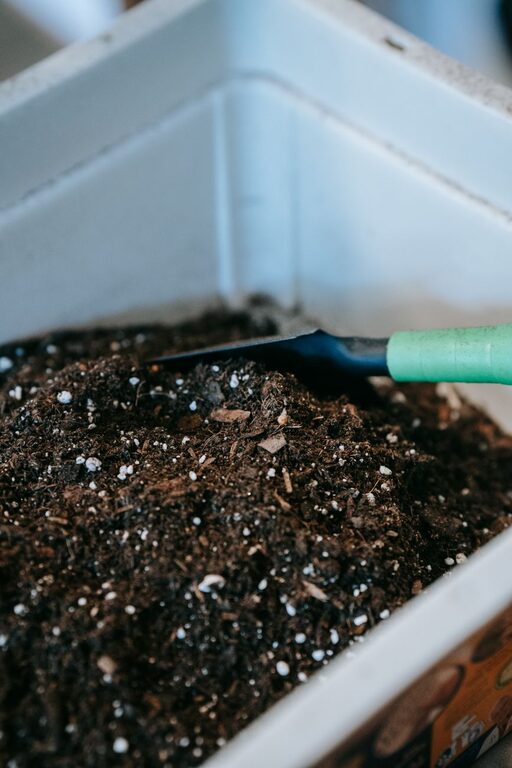
Composting at home is a fantastic way to reduce kitchen waste, enrich your garden soil, and contribute to a healthier environment. If you’re new to composting, the process may seem a bit daunting, but with some basic tips, you can start turning your organic waste into black gold easily. This guide will walk you through the essentials of home composting, helping you get started on the right foot.
What is Composting?
Composting is the natural process of recycling organic matter, such as food scraps and yard waste, into a rich soil amendment that gardeners often call “black gold.” This nutrient-rich material improves soil structure, provides essential nutrients to plants, and helps retain moisture in the garden.
Why Compost at Home?
– Reduces landfill waste: Food scraps and yard waste make up a large portion of household trash. Composting diverts this waste from landfills.
– Enriches garden soil: Compost adds nutrients and beneficial microorganisms that help plants grow healthier.
– Saves money: Reduces the need to buy fertilizers and soil conditioners.
– Eco-friendly: Helps lower greenhouse gas emissions by reducing organic waste in landfills.
Getting Started: Choosing a Compost Bin
There are different ways to compost at home, from using simple bins to advanced tumblers. Here are some options for beginners:
– Compost bin: Available in various sizes, these bins contain the compost materials and keep pests out.
– Compost tumbler: A rotating bin that speeds up the composting process by mixing materials easily.
– DIY compost pile: You can simply designate a corner of your yard for an open compost pile.
Choose a bin or method that fits the space you have and your comfort level.
What Can You Compost?
Browns and Greens
Good compost requires a balance between “greens” and “browns.”
– Greens: Nitrogen-rich materials like fruit and vegetable scraps, coffee grounds, tea bags, fresh grass clippings, and green leaves.
– Browns: Carbon-rich materials such as dried leaves, straw, shredded paper, cardboard, sawdust, and small branches.
A balanced mix of greens and browns helps the compost break down efficiently without odors or pests.
What to Avoid
Avoid adding these items to your compost bin:
– Meat, dairy, and oily foods (attract pests and cause odor)
– Diseased plants or weeds with seeds (risk spreading disease)
– Pet waste (can contain harmful pathogens)
– Inorganic materials like plastics or metals
How to Build Your Compost Pile
Step 1: Location
Pick a dry, shady spot near a water source for your compost bin or pile. It should be accessible but not in the way.
Step 2: Layering Materials
Start with a layer of coarse browns like small twigs or straw at the bottom to help with aeration. Then add alternating layers of greens and browns about 2-4 inches thick.
Step 3: Moisture
Keep the compost moist like a wrung-out sponge. Too dry, and decomposition slows; too wet, and it can smell bad. Water lightly if it feels dry.
Step 4: Aeration
Turn or mix the compost every 1-2 weeks using a garden fork or compost aerator. This introduces oxygen, speeding up decomposition and preventing bad odors.
Troubleshooting Common Composting Issues
– Bad odors: Usually caused by too much moisture or too many greens. Add more browns and turn the pile.
– Pile isn’t heating up: May need more greens or moisture. Turning the pile can also help.
– Attracting pests: Avoid adding meat and dairy. Use a closed bin if pests are a problem.
– Compost stays wet or soggy: Add dry materials and improve airflow.
When is Compost Ready?
Compost is ready when it looks dark brown or black, crumbly, and smells earthy—typically after 3-6 months. You might see fewer recognizable scraps as everything breaks down.
Using Your Finished Compost
You can:
– Mix it into garden beds to improve soil fertility.
– Use it as mulch around plants to retain moisture.
– Add it to potting mixes for container plants.
Additional Tips for Success
– Chop or shred materials before adding for quicker breakdown.
– Avoid compacting materials; keep the pile loose.
– Use a compost thermometer if you want to monitor temperature.
– Start small and expand your compost efforts as you learn.
—
Composting at home is a rewarding and manageable way to reduce waste and improve your garden’s health. With a little patience and care, you’ll be enjoying rich homemade compost in just a few months. Happy composting!