
Composting at home is a fantastic way to reduce waste, improve your garden soil, and contribute to a healthier environment. If you’re new to composting, the idea might seem a little overwhelming, but it doesn’t have to be complicated. With some basic knowledge and a bit of effort, anyone can successfully compost right in their backyard or even indoors.
What Is Composting?
Composting is the natural process of recycling organic material like food scraps and yard waste into a rich soil amendment called compost. This compost enhances soil health, helps plants grow, and reduces the need for chemical fertilizers.
Why Compost at Home?
– Reduce landfill waste: Food scraps and yard debris make up a significant portion of household waste. Composting keeps this material out of the trash.
– Enrich garden soil: Compost adds nutrients and improves soil texture.
– Save money: Reduce the need to buy soil conditioners or fertilizers.
– Help the environment: Composting lowers methane emissions from landfills and promotes sustainable living.
—
Getting Started with Composting
Choose a Composting Method
There are several ways to compost at home, each suited to different spaces and lifestyles:
– Traditional backyard compost bin: A simple bin or pile outdoors where you mix organic material.
– Compost tumbler: A sealed container that you can spin to speed up the composting process.
– Vermicomposting (worm composting): Using worms to break down food scraps inside a bin, perfect for indoor composting.
– Bokashi: A fermentation method that processes food waste quickly and can be combined with outdoor composting.
For beginners, a simple backyard bin or a worm bin is a great place to start.
Select a Location
Find a convenient outdoor spot that is:
– Well-drained
– Accessible year-round
– Ideally receiving some sunlight to encourage decomposition
If you’re using a worm bin, it can be kept indoors in a cool, dark place like a basement or kitchen corner.
—
What to Compost and What to Avoid
Compostable Materials
Composting works best when you balance two categories of materials:
– Greens (nitrogen-rich):
– Fruit and vegetable scraps
– Coffee grounds and tea bags
– Fresh grass clippings
– Browns (carbon-rich):
– Dry leaves
– Straw or hay
– Shredded newspaper or cardboard
Items to Avoid
– Meat, dairy, and oily foods (can attract pests)
– Diseased plants or weeds with seeds
– Pet waste
– Synthetic chemicals or treated wood
Following these guidelines helps keep your compost healthy and odor-free.
—
How to Build Your Compost Pile
Step 1: Layer Your Materials
Start with a layer of coarse browns like small sticks or straw for airflow. Then alternate layers of greens and browns. Aim for roughly a 2:1 ratio of browns to greens.
Step 2: Keep It Moist
Your compost pile should be as damp as a wrung-out sponge. Water it occasionally, especially during dry spells.
Step 3: Turn the Pile
Aerate your compost every 1-2 weeks by mixing or turning it with a garden fork or shovel. This speeds up decomposition and prevents bad odors.
—
Troubleshooting Common Issues
– Foul smell: Usually caused by too many greens or lack of air. Add browns and turn the pile.
– Pile not heating up: May need more greens or moisture.
– Slow decomposition: Chop scraps into smaller pieces and turn pile more frequently.
– Pests: Avoid adding meat/dairy and keep the bin covered.
—
Harvesting and Using Your Compost
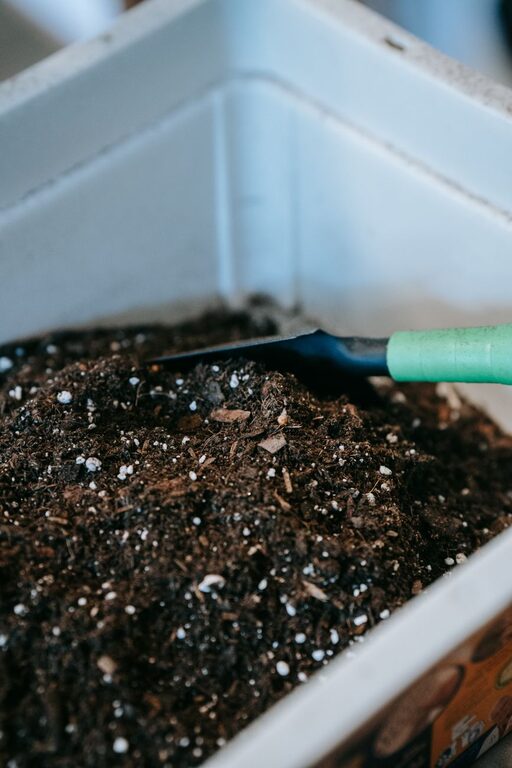
After a few months, your compost will turn into dark, crumbly soil with an earthy smell. When about half of your pile has decomposed, you can sift out larger pieces and return them to the pile.
Use finished compost to:
– Enrich garden beds or pots
– Mulch around plants
– Improve lawn soil
—
Tips for Success
– Be patient. Composting takes time, but the rewards are worth it.
– Start small. Begin with simple scraps and expand as you get comfortable.
– Keep a good balance of greens and browns.
– Use a compost thermometer if you want to monitor the process.
– Consider local composting resources or community programs for help.
—
Composting at home is an enjoyable and practical way to support your garden and the planet. By following these beginner tips, you’ll be on your way to creating nutrient-rich compost that benefits your plants and reduces waste. Happy composting!