
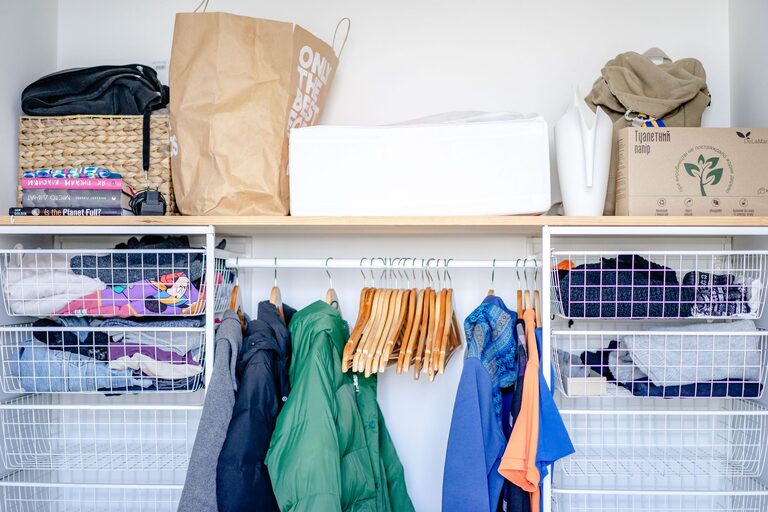
Storing seasonal clothes efficiently is a smart way to maximize your closet space and keep your wardrobe fresh and ready for the next season. Whether you’re packing away bulky winter sweaters or summer dresses, the right techniques can help preserve your clothes, prevent damage, and make switching seasons hassle-free. This guide covers practical tips and storage ideas for managing your seasonal garments with ease.
Why Proper Storage Matters
When clothes are stored improperly, they can suffer from wrinkles, fading, mold, or pest damage. Proper storage helps maintain fabric quality and extends the life of your garments. It also makes it easier to find what you need, saving time and reducing stress during seasonal wardrobe swaps.
Preparing Clothes for Storage
Before packing away your clothes, it’s important to prepare them properly to avoid damage.
Wash and Dry Thoroughly
Always wash or dry clean your clothes before storing them. Dirt, sweat, and oils can attract pests and cause stains to set permanently over time. Ensure items are completely dry to prevent mold and mildew.
Repair and Sort
Check for any missing buttons, broken zippers, or small tears and repair them before storage. Sort clothes by type or fabric to make unpacking easier.
De-Pill and Iron
Remove any pills or fuzz balls and iron or steam clothes to smooth wrinkles. This helps clothes look fresh when you bring them back out.
Choosing the Right Storage Containers
The type of container you use can make a big difference in protecting your clothes.
Plastic Bins with Lids
Clear, airtight plastic bins keep out moisture and pests while allowing you to see what’s inside. Look for bins with secure lids to maintain a sealed environment.
Vacuum-Sealed Bags
These are great for saving space by compressing bulky items like coats and sweaters. However, avoid using vacuum bags for delicate fabrics like silk or items with embellishments, as compression can cause damage.
Fabric Storage Bags and Boxes
Breathable fabric bags or boxes let air circulate, which is ideal for natural fibers and delicate clothes. These containers prevent mildew while protecting clothes from dust.
Cedar Chests and Bags
Cedar naturally repels moths and adds a fresh scent. Consider cedar-lined storage or adding cedar blocks to keep pests away.
Tips for Efficient Closet and Storage Space Use
Making the most of your storage area can keep your space organized and clothes accessible.
Label Everything
Use labels on bins and boxes to quickly identify what’s inside. This saves time and prevents unnecessary unpacking.
Use Shelf Dividers
Shelf dividers help keep stacks of folded clothes neat and prevent piles from toppling over.
Store Off the Floor
Keep storage containers off the floor to protect clothes from potential water damage or dust accumulation.
Utilize Under-Bed Storage
Slim storage boxes under the bed are perfect for seasonal clothes you want to keep out of the way but still accessible.
Rotate Seasonally
Place current season clothing in your closet and store off-season items. When the season changes, simply swap the two groups to keep your wardrobe streamlined.
Protecting Clothes From Pests and Damage
Keeping your clothes safe includes pest prevention and maintaining ideal storage conditions.
Use Natural Repellents
Lavender sachets, cedar chips, and other natural repellents deter moths and insects without harsh chemicals.
Avoid Plastic Bags for Long-Term Storage
While convenient for short-term, plastic bags can trap moisture and cause mildew if used long-term.
Keep Storage Areas Cool and Dry
Choose a storage space that is well-ventilated, cool, and dry. Avoid attics or basements prone to extreme temperature changes and dampness.
Regularly Inspect Stored Clothes
Every few months, check your stored clothes for signs of damage or pests and refold garments to prevent permanent creases.
Organizing Seasonal Clothes by Category
Organizing by category can make seasonal switches smoother.
Separate by Fabric Type
Group heavy knits, cottons, synthetics, and delicate fabrics separately to store each type in the best container.
Sort by Frequency of Use
Place frequently worn items on top or in easy-to-reach places, and less-used clothes deeper in storage.
Keep Accessories Together
Store hats, scarves, belts, and gloves in labeled boxes or bags to keep everything coordinated.
Wrapping Up
Efficiently storing your seasonal clothes saves space and keeps your wardrobe in great shape year-round. With proper cleaning, careful packing, and smart container choices, you’ll enjoy a well-organized closet and hassle-free seasonal transitions. Remember to inspect your clothes periodically and keep your storage environment clean and dry. These simple steps make all the difference in maintaining your favorite outfits for years to come. Happy organizing!